PhD Student Positions at the Department of Earth and Planetary Sciences at HKU (Lunar Science and Exploration, Planetary Geology)

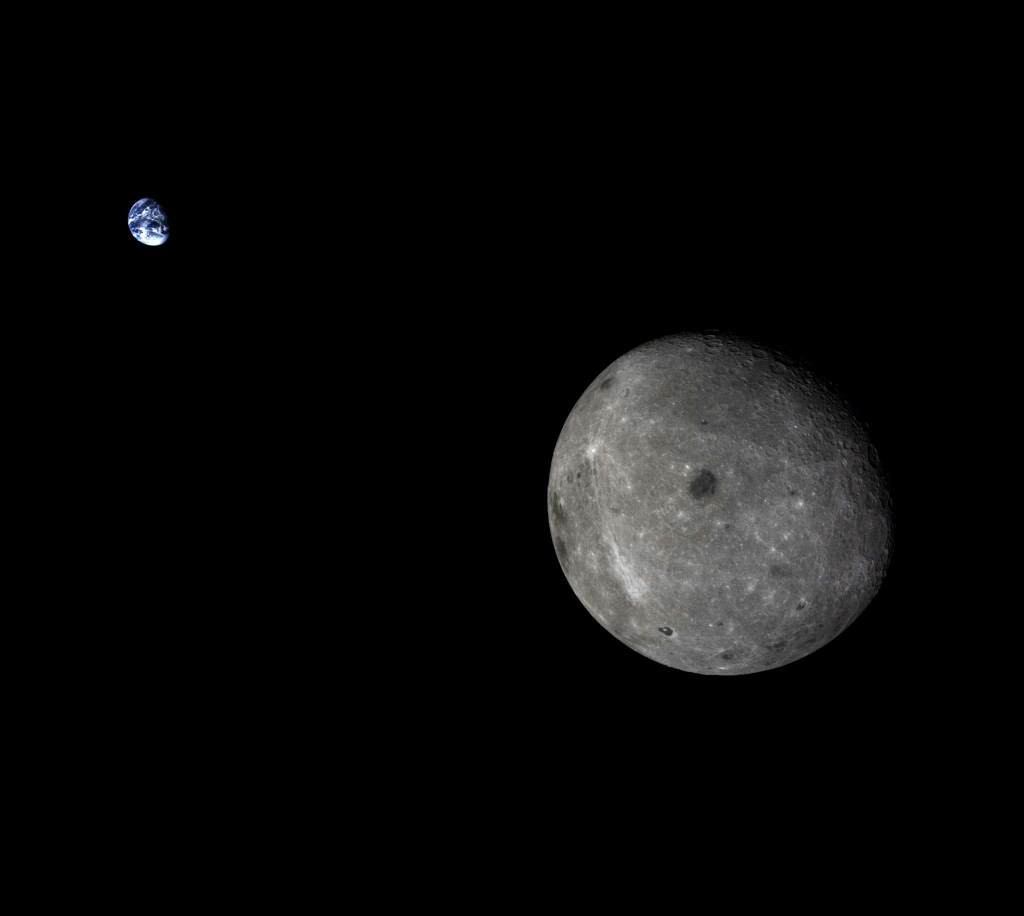
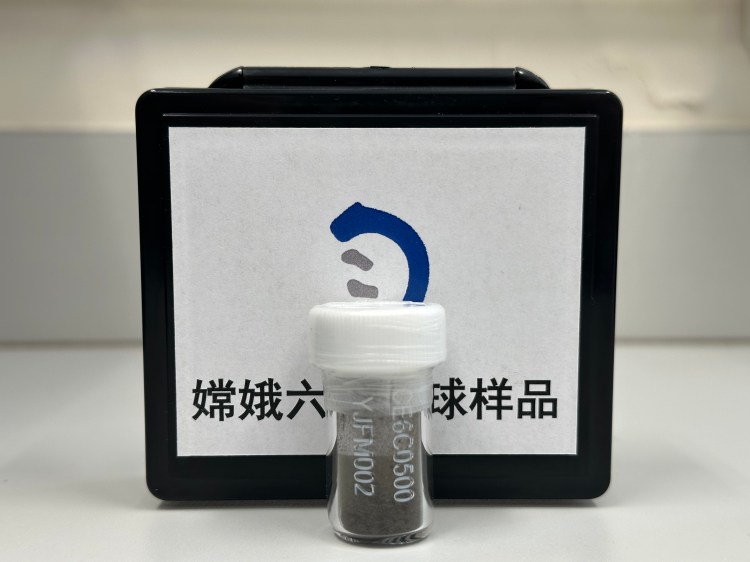
We are looking for 2 outstanding PhD students to work with me at the Department of Earth and Planetary Sciences at HKU, a top university in Asia (11th globally, 1st in Asia), to explore the Moon, especially those with a BSc/MSc degree in geology, geochemistry, geophysics, geomatics, geoinformation science, remote sensing, physics, astrophysics, or computer science (AI for Science, CV), for projects to link lunar sample studies, in situ investigations, remote sensing observations, and numerical simulations together to unveil the origin and evolution of the Moon.
Project I (PhD Position): Analysis of HK’s first Chang’e-5, Chang’e-6 lunar samples, and lunar meteorites. A BSc/MSc degree in geology, mineralogy, petrology, geochemistry and experiences in studying extraterrestrial materials, especially lunar samples will be preferred.
Project II (PhD Position): Characterization of robotic and human lunar landing sites. A BSc/MSc degree in remote sensing, geomatics, geoinformation science, geophysics, astrophysics, physics, computer science (AI for Science, CV) and experiences in studying various lunar or planetary in situ and remote sensing datasets will be preferred.
The 2026/27 main round application will open on Sept. 1 and close on Dec. 1, 2025, followed by 2 clearing rounds. Admitted students will be fully funded by the Postgraduate Scholarships (19,655 HKD/2,500 USD per month). Most exceptional students are welcomed to apply for the HKU Presidential PhD Scholar Programme and the Hong Kong PhD Fellowship Scheme (28,400 HKD/3,600 USD per month). More details and requirements at HKU Graduate School (IELTS>=6.5, First Class Honor or Equivalent Qualification).
About Dr. Yuqi QIAN: Dr. Qian is a Research Assistant Professor from the Department of Earth and Planetary Sciences at HKU. Dr. Qian holds a doctoral degree in Planetary Geology and Comparative Planetology. His research investigates volcanic and geological processes on the Moon and other terrestrial planets in the Solar System—including Mars, Mercury, and Venus—using in situ and remote sensing data, as well as extraterrestrial samples collected by China and other nations. Currently, Dr. Qian is analyzing Hong Kong’s first Chang’e-5 and Chang’e-6 lunar samples and characterizing China’s human and robotic lunar landing sites. Through these projects, Dr. Qian aims to enhance the global lunar science community’s understanding of Earth’s closest celestial neighbor.
Join us for lunar science and exploration!
 HKU Moon